Why Professionals Often Overlook the Emotional Side of Change (and How to Avoid It)

Change is an inevitable part of any organization’s growth and success. Whether it’s adopting new technology, restructuring teams, or shifting strategies, professionals often lead change initiatives with the goal of improving efficiency, productivity, or innovation. However, one critical aspect is frequently overlooked—the emotional impact change has on individuals.

In the rush to implement change effectively, many professionals focus on the technicalities: updating systems, revising processes, and aligning resources. While these elements are important, they often fail to consider the human element—the fears, uncertainties, and emotional responses that accompany any transition. This oversight can lead to resistance, disengagement, and a lack of support for the change initiative.

The Emotional Impact of Change

Humans are inherently resistant to change, particularly when it’s unexpected or feels imposed. For many, change represents uncertainty, and uncertainty triggers fear. Will the change make their jobs harder? Will they lose their sense of security? Will they be left behind? These are just some of the questions that may arise in people’s minds.

Even well-intentioned and strategically planned changes can be met with resistance if the emotional side is ignored. For example, a new software system may promise to improve productivity, but employees may feel overwhelmed by the learning curve. Similarly, a restructuring effort designed to streamline operations may leave staff members worried about job security, despite no official announcements about layoffs.

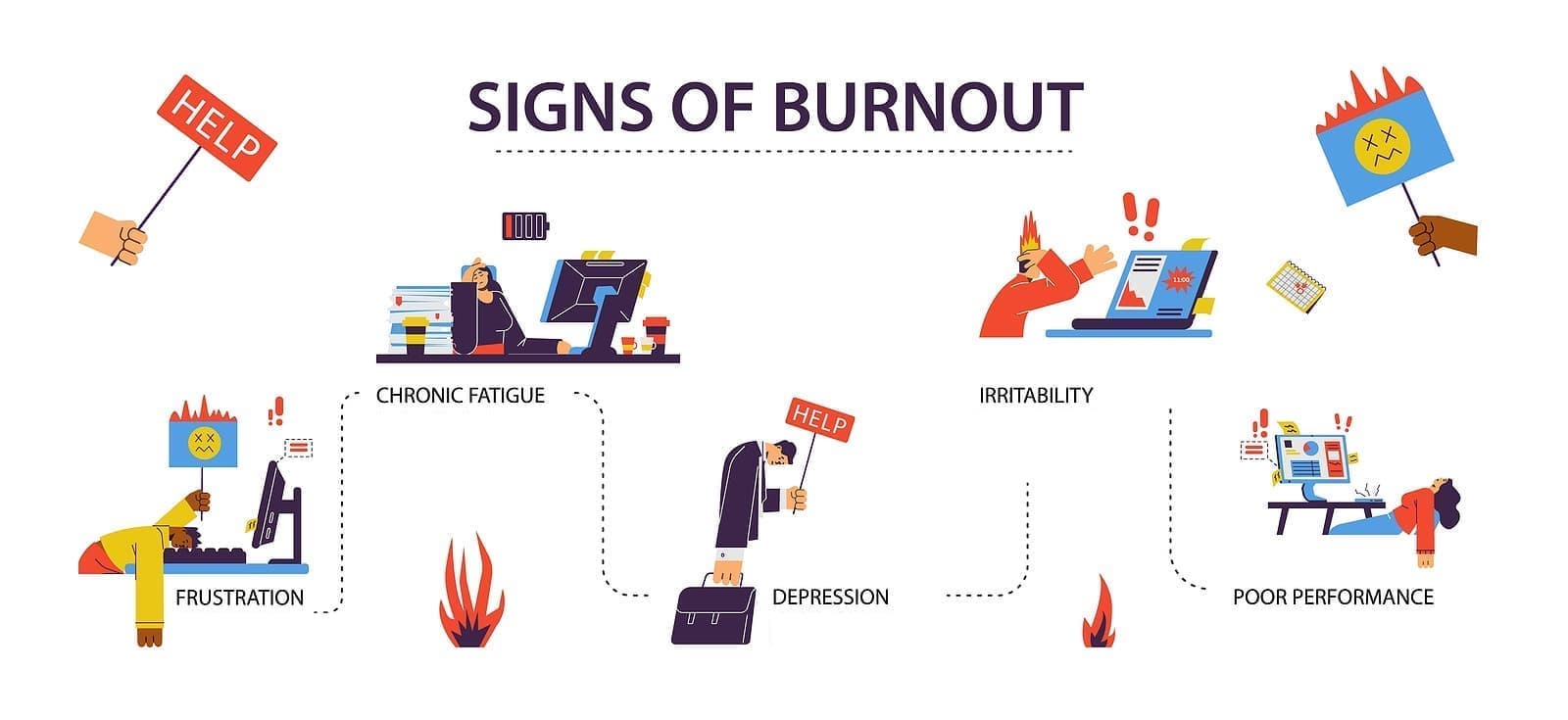
This emotional turmoil can manifest in various ways—stress, frustration, disengagement, or even sabotage of the new initiatives. People may go through a psychological cycle similar to the stages of grief: denial, anger, bargaining, and acceptance. When these feelings aren’t addressed, they can slow down the change process, erode trust in leadership, and ultimately undermine the success of the initiative.

The Mistake: Focusing Solely on the Technical Aspects

One of the most common mistakes professionals make when leading change is overemphasizing the technical side and underestimating the emotional side. When leaders concentrate on the logistical elements—such as timelines, budgets, or new tools—they may assume that people will naturally embrace the change if it’s presented as the best solution.

While these technical factors are important, they aren’t enough on their own. If the emotional responses to change are not addressed, employees may feel alienated, ignored, or unsupported. This can lead to a lack of trust in leadership, decreased morale, and ultimately, failure to achieve the desired outcomes.

Moreover, professionals may inadvertently communicate change in a way that seems top-down or impersonal, rather than fostering a sense of involvement and shared purpose. Without an emphasis on clear, empathetic communication and active listening, employees may feel disconnected from the goals of the change.

How to Avoid This Mistake: Leading Change with Emotional Intelligence

To avoid the mistake of overlooking the emotional side of change, leaders should integrate emotional intelligence into their change management strategies. Emotional intelligence (EQ) is the ability to understand, manage, and influence emotions—both your own and those of others. In the context of change, high EQ can be a game-changer in guiding people through the transition.

Here are some key strategies for addressing the emotional side of change:

1. Communicate Transparently and Frequently

Effective communication is crucial during times of change. Leaders should clearly explain why the change is happening, how it will impact employees, and what the expected outcomes are. This transparency helps alleviate anxiety by removing the uncertainty surrounding the change.

Regular updates and open channels for feedback are also essential. When people feel heard and informed, they’re more likely to trust the process and embrace the change.

2. Acknowledge the Emotional Impact

It’s important to acknowledge that change is emotional. By recognizing the concerns and feelings that employees may have, leaders create a space where people feel understood. Empathy is a powerful tool—it fosters trust and collaboration.

Leaders can also create support systems such as mentoring, coaching, or counseling services to help individuals cope with the emotional challenges of change.

3. Involve Employees in the Process

People are more likely to embrace change when they have a sense of ownership. Involving employees in the planning and implementation stages can ease resistance and create a sense of partnership. When employees are given a chance to voice their opinions and contribute to the change, they are more invested in its success.

4. Provide Training and Support

Offer training sessions, resources, and guidance to help employees navigate the change. This reduces fear by giving individuals the tools they need to succeed in the new environment. The more confident employees feel, the more likely they are to support the change.

Change is challenging, but it’s also an opportunity for growth. Professionals who fail to consider the emotional side of change risk sabotaging their own efforts. By leading with empathy, communicating transparently, and involving employees in the process, professionals can guide their teams through change more effectively. When emotional and technical aspects are balanced, change becomes not just a transition—but a transformation that employees can embrace and thrive within.

Helping Executive Women Reduce Stress, Prevent Fatigue & Avoid Burnout
📩 Follow me for more insights or send me a message to connect!


Instinct vs. Intuition: Decoding Nature’s Reflexes and the Mind’s Wisdom

Human decision-making often hinges on two powerful yet distinct forces: instinct and intuition. While they may seem similar, they originate from entirely different aspects of our being. Understanding these forces not only sheds light on our behaviors but also empowers us to make more informed and balanced decisions. Here, we’ll explore five key distinctions between instinct and intuition, highlighting how each plays a unique role in our lives.


1. Origin: Nature vs. Experience

At its core, instinct is a biological inheritance. It is hardwired into us to ensure survival, such as the instinct to pull our hand back from a hot stove or the fight-or-flight response to danger. These responses are embedded in our DNA and shared across species.

In contrast, intuition stems from subconscious processing of our accumulated experiences and knowledge. It is not something we are born with but something we develop over time. For example, a seasoned entrepreneur might “just know” when a business deal feels off. That gut feeling comes from years of learning, pattern recognition, and subconscious analysis.


2. Consciousness: Automatic vs. Awareness-Driven

Instinct operates on autopilot, bypassing conscious thought entirely. It is an immediate, automatic reaction to stimuli, ensuring quick responses in critical moments. For example, flinching when something suddenly moves toward you is an instinctive response.

On the other hand, intuition involves subtle awareness. It is not as immediate as instinct and requires a moment of internal processing. Intuition often manifests as a quiet whisper or a gut feeling that guides decision-making. While it may not demand conscious thought, it is deeply influenced by our subconscious mind and emotional intelligence.


3. Universality: Shared vs. Personal

Instincts are universal across species. They are the same for everyone and follow predictable patterns, such as the maternal instinct to protect offspring or the instinct to seek shelter during a storm. These behaviors are consistent because they are evolutionarily programmed for survival.

Intuition, however, is highly personal. It varies greatly from person to person, depending on their individual life experiences, knowledge, and perceptions. For instance, a musician might intuitively recognize the right note to play in a melody, while a chef might instinctively know when a dish needs more seasoning.


4. Complexity: Simple Reactions vs. Holistic Insights

Instinct is straightforward and specific. Its simplicity is its strength, as it enables quick and decisive actions. For instance, hunger is an instinctive drive that signals the need to eat, ensuring we sustain ourselves.

In contrast, intuition is more complex and multi-faceted. It integrates diverse pieces of information—sometimes without us realizing it—into a cohesive insight. Imagine walking into a room and instantly sensing tension between people. This intuitive awareness arises from subtle cues like body language and tone of voice, processed subconsciously into a holistic understanding of the situation.


5. Timeframe of Development: Innate vs. Learned

Instinct is present from birth or develops naturally without the need for learning. A baby instinctively cries to signal discomfort, and animals instinctively know how to hunt or migrate. These behaviors require no training.

Intuition, by contrast, is cultivated over time. It grows stronger with experience and learning. For instance, a firefighter develops an intuitive sense of danger in a burning building through years of exposure to similar situations. This ability is not innate but honed through practice and reflection.


Bringing It All Together

While instinct and intuition often work in tandem, understanding their differences can help us use them more effectively. Instinct is our primal safeguard, reacting quickly to protect us from harm. It keeps us grounded in the physical world. Intuition, on the other hand, is our subtle guide, offering deeper insights that draw from our personal experiences and subconscious wisdom.

Imagine facing a critical decision. Instinct might urge you to flee a threatening situation, while intuition could provide nuanced guidance, helping you navigate the challenge more strategically. Recognizing when to rely on instinct and when to trust intuition is a skill that can transform how we approach life’s complexities.

By decoding these natural forces, we gain the ability to align with both our biological heritage and our learned wisdom, creating a balance between survival and self-awareness. Instinct keeps us alive, but intuition helps us thrive.

Which will you listen to today—nature’s reflex or the mind’s wisdom?

Superannuation is becoming one of Australia’s biggest exports

When we travel overseas, we regularly find ourselves taking note and appreciating those subtle reminders of home.

Strolling past an RM Williams store in London, coming across our renowned surf or health brands in retail outlets, a famous Australian on the world sporting stage, or familiar brands of food and wine products in supermarkets.

Yet, there’s one major Australian export that is increasingly everywhere, but goes almost unnoticed, and that’s your super savings.

But make no mistake, as your super fund scours the world looking for opportunities to grow your retirement savings: it’s also strengthening not only Australia’s economic and diplomatic ties, but shoring up our growing influence on the international financial landscape as well.

While much of this flows into financial markets with investment in companies, it’s also being invested into ‘real’ assets.

So next time you find yourself in an airport in Vienna or Manchester, driving on a toll road in Italy, the USA or France, using the high-speed internet in regional Germany or spellbound by the magic of AI in the US, home might be closer than first thought. Indeed, there’s a pretty good chance you might even own a piece of these assets yourselves.

That’s the power of super – it gives working people a chance to gain exposure to multi-billion-dollar infrastructure investments that would otherwise not be possible. It lets hardworking Australians invest and own assets as though they’re the wealthiest people in the world.

This is a trend that will only continue as the Australian superannuation system expands – so much so, that capital itself will, in fact, become one of Australia’s most important exports. For a country renowned for its exports, that’s no mean feat.

The numbers speak for themselves – and they’re getting bigger and bigger. As of September, this year, the total pool of Aussies’ retirement savings is $4.1 trillion, or around 149 per cent of GDP – one of the largest pools of retirement capital in the world as a percentage of GDP.

By 2040, this pool of capital is expected to reach around $11 trillion or 193 per cent. Of this, the ‘institutional’ funds (industry, retail and government) account for $2.8 trillion currently, and this is expected to get to just over $8 trillion.

This capital is truly going global.

Institutional funds currently have around $1.2 trillion in offshore investments – or around 46 per cent of their invested assets.

If this proportion holds, the current quantum will need to treble to around $3.6 trillion invested overseas by 2040.

It is likely that this asset allocation will edge upwards somewhat as the Australian economy and the investment opportunities it presents simply won’t grow fast enough to absorb this. To put this task in context, the additional $2.4 trillion that will flow offshore is around 63 per cent of the just under $4 trillion Australia invests in total in overseas assets currently.

Where will it all go? Australian capital will clearly go to all corners of the globe, diversifying across global financial markets and real assets.

Alex Joiner AFR 22-Jan-25

The Invisible Bridge to the Future: Are You Ready to Walk It?

For centuries, the way spiritual energy flows between the inner and outer worlds has been a mystery, guarded by spiritual masters and hidden places of power. But the tides of change are upon us—shifts are happening, and long-dormant energies are awakening. Are you ready to step into the unknown and help shape the future?

The unseen forces at work in our universe are not mere fantasy; they operate with a precision akin to science. These energy flows connect us to the deeper currents of life, influencing the patterns of existence in ways we’re only beginning to understand. As this ancient wisdom resurfaces, it invites us to harness its potential—not just for ourselves, but for the greater good of humanity.

The Awakening of Dormant Powers

The world is undergoing a profound transformation. Places of power, long silent, are reactivating, and their latent energies are beginning to flow. To engage with these changes, we must first understand them. This isn’t about returning to an exclusive knowledge reserved for mystics; it’s about reclaiming what belongs to all of us—a heritage of esoteric wisdom that is as old as humanity itself.

This awakening has the power to reshape the world. The energy it carries isn’t just a tool for personal growth or spiritual awakening—it’s a force for collective evolution. It’s about stepping beyond self-centered goals and aligning with a broader purpose. The question is, will you embrace this call to action or resist the changes it brings?

Crossing the Threshold of Fear

Transitions are never easy. At every juncture in history, there are those who welcome change and those who cling to the familiar. To truly contribute to this new era, we must free ourselves from the grip of fear and conditioning. It requires courage to step into the unknown, but the reward is profound: the chance to participate in shaping a future that benefits all life.

This work isn’t confined to mystics or spiritual leaders. It’s for anyone willing to look beyond the surface and connect with the deeper rhythms of life. The task at hand is immense—bridging the gap between the inner and outer worlds, between the spiritual and the material. But it’s also vital. The patterns we set now will define the coming age.

Building the Bridge Between Worlds

At the heart of this transformation is a bridge—a connection between the visible and invisible realms. This isn’t some ethereal fantasy of rainbow colors and mystic visions. It’s a tangible structure, grounded in the physical world but infused with the essence of the inner worlds.

This bridge is nearly complete, and when it is, it will transform how humanity interacts with the unseen forces of the universe. Accessible to all, it will nourish our collective spirit in ways previously unimaginable. No longer will we depend on intermediaries like priests or shamans to access higher realms. This connection will be personal, direct, and universal.

Finding Your Individual Connection

For each of us, this bridge represents our unique link to the inner world of the soul. You may glimpse it in dreams, feel it in the creative flow of painting or music, or sense it in moments of inexplicable joy. Through this connection, the ordinary comes alive with meaning, and the impossible becomes possible.

As we embrace this new reality, knowledge will flow freely—secrets of how the worlds interconnect, how light can heal and transform, how dreams guide us, and how the hidden properties of matter can be harnessed. This bridge is designed to withstand skepticism and control, ensuring it remains a tool for all of humanity.

A Collective Path Forward

Like the internet, this bridge belongs to everyone. It’s a network of energy and wisdom, guarded by forces of love and light. Its purpose is clear: to empower humanity to live in harmony with the universe, free from the shadows of ignorance and control.

As the masters of love complete this work, the question remains—will you cross the bridge? Will you let go of fear, embrace the unknown, and play your part in this great unfolding? The future is being born, and it’s calling for all of us to rise.

Helping Executive Women Reduce Stress, Prevent Fatigue & Avoid Burnout
📩 Follow me for more insights or send me a message to connect!

The Loss of Flow in the Digital Age

In today’s hyper-connected world, Finding Flow offers an unsettling proposition: the digital age is making it harder to experience flow. With constant distractions from social media, notifications, and multitasking, our attention is fragmented. Csikszentmihalyi explains that flow requires an uninterrupted focus on a specific activity, something that is becoming increasingly difficult to maintain in the age of constant connectivity.

The problem with digital distractions is not just that they take us away from tasks, but that they prevent us from entering a state of deep, undistracted engagement. When our attention is constantly being diverted, it becomes nearly impossible to achieve the mental immersion necessary for flow. Csikszentmihalyi warns that this constant fragmentation of attention not only makes us less productive but also less happy. Without flow, we miss out on the satisfaction and joy that come from fully engaging in an activity.

In the digital age, cultivating flow requires a conscious effort to disconnect from distractions. Csikszentmihalyi urges us to take a step back from the constant noise and prioritize activities that allow us to focus deeply. This could mean turning off notifications, setting aside time for deep work, or creating environments where distractions are minimized. In doing so, we can reclaim the flow experiences that digital life often threatens to erase.

As we face an ever-increasing digital world, the challenge is clear: how can we create spaces in our lives that allow for uninterrupted focus, and in doing so, rediscover the deep satisfaction that flow provides?

Helping Executive Women Reduce Stress, Prevent Fatigue & Avoid Burnout
📩 Follow me for more insights or send me a message to connect!

Heart-Centered Creation: A Conscious Approach to Manifesting Your Reality

In the realm of personal development and goal setting, most approaches emphasize the power of focus, visualization, and strong will. While these traditional models have their place, there’s an alternative that delves deeper into the essence of creation—one that aligns more consciously with the heart, rather than the will.

Creating from the Heart

True creativity, and by extension true manifestation, isn’t born from sheer determination or mental focus. It emerges from an open and receptive heart. Being truly open—allowing space for the unknown and unplanned—is vital for authentic creation. This heart-centered approach requires us to embrace the ability to do nothing, at least for a moment. Not in a passive sense, but in a way that encourages awareness and presence, rather than action for action’s sake.

Contrary to popular belief in many personal growth teachings, which advocate for “creating your reality” through forceful intention and constant visualization, this conscious approach suggests that the most profound changes are born not from active effort, but from an alert stillness. Your consciousness is always creating, even when you aren’t aware of it. But when it comes to consciously creating, the key lies not in willpower but in deep self-awareness.

The Inner Reflection of Change

External changes—whether they’re in your career, relationships, or environment—are always reflections of inner transformations. When inner processes are fully realized, only then does the outer world shift to mirror this change. If we push too hard from the outside—focusing obsessively on goals or outcomes—we risk overlooking the internal shifts necessary to sustain these changes. This disconnect can lead to frustration and unmet expectations, as we are not creating from the true depth of our soul.

The soul speaks in moments of stillness and surrender. It is often when we stop trying, and even when we feel like giving up, that the clearest guidance from our inner self emerges. It is not the act of giving up that brings clarity, but the release of expectations. When we let go of the need to control outcomes, we become receptive to what is, and in that space, we create more authentically.

Releasing Expectations and Limiting Beliefs

Holding onto rigid ideas of what we “should” want or achieve often narrows the creative possibilities available to us. When we are fixed on a specific outcome, such as a job title or relationship, we confine our potential to the borders of what we already know. True creation requires stepping beyond those psychological boundaries and welcoming the unknown.

Instead of focusing so intensely on the specifics of what you desire, consider approaching your goals with openness and curiosity. This doesn’t mean abandoning all desires; rather, it’s about recognizing that what you seek may contain aspects you haven’t yet imagined. It’s about creating space for something new to emerge.

The Power of Self-Acceptance

At the core of heart-centered creation is self-acceptance. No amount of goal-setting, visualization, or positive thinking can manifest a reality that doesn’t align with your true feelings and beliefs. When there’s a disconnect between your inner world and the reality you’re trying to create, confusion and doubt set in. You might think, “I’m working so hard, but nothing is changing.”

Self-acceptance is a form of love, and love is the greatest magnet for positive change. When you fully accept and love yourself for who you are—right now, in all your struggles and imperfections—you naturally attract circumstances that reflect that self-love. It’s as simple as that.

Instead of striving for perfection, embrace your humanity with all its quirks. Humor helps, too. Perfection, after all, is an illusion. The real power comes from recognizing your own inner light, just as you are.

Embracing the Heart-Centered Approach

Creating from the heart means recognizing the beauty and sincerity in your current self, imperfections and all. It’s about sowing the seeds of your future reality by acknowledging the light within you here and now. Rather than focusing on controlling outcomes, this conscious approach encourages you to trust the process, stay open, and allow the most aligned and authentic version of your reality to unfold.

This shift doesn’t reject traditional models of goal setting but offers a deeper, more connected way to create—a way that honors both your inner transformation and the unfolding of your external world.

Helping Executive Women Reduce Stress, Prevent Fatigue & Avoid Burnout
📩 Follow me for more insights or send me a message to connect!

Rethinking Success: How Interconnectedness, Not Independence, Defines Real Achievement

In a society that often celebrates individual accomplishments and the idea of “going it alone,” Linda Seger’s concept of Web Thinking challenges us to redefine what success really means. Seger argues that true success isn’t about independence or individual milestones; instead, it’s rooted in interconnectedness and the positive impact we make within a larger system of relationships. This shift in perspective calls into question many of our most cherished beliefs about achievement.

Traditional definitions of success—wealth, status, or personal accolades—tend to focus on individual outcomes. The message is clear: work hard, stand out, and earn recognition. Yet, Seger points out that in our increasingly interconnected world, this individualistic mindset is insufficient for the problems and opportunities we face. Real success, she suggests, can only be understood within a network of relationships, where the ripple effects of our actions create meaningful, collective progress.

Consider the workplace: leaders who focus solely on their own rise up the ranks often fail to foster true, lasting success. But leaders who cultivate team cohesion, share knowledge, and support others’ growth tend to create more resilient, innovative teams. Their success is defined not by personal accolades but by the collective achievements of those they empower. Similarly, entrepreneurs who prioritize community impact or sustainability often contribute to a stronger, more interconnected system that benefits everyone—not just shareholders.

In this light, Web Thinking proposes that our definition of success should shift from “What did I achieve?” to “How did my actions positively affect others?” This perspective applies to everything from relationships to environmental stewardship, emphasizing that interconnectedness—not independence—is key to meaningful achievement.

Seger’s approach encourages us to consider how our personal goals align with the well-being of others and the greater good. By viewing success through an interconnected lens, we foster values like empathy, collaboration, and sustainability. It’s a radical yet inspiring reminder that in a truly connected world, our highest achievements are those that strengthen the web we’re all a part of, making success something we can share, grow, and celebrate together.

Helping Executive Women Reduce Stress, Prevent Fatigue & Avoid Burnout
📩 Follow me for more insights or send me a message to connect!
The Power of Silence: Can Quieting the Mind Unlock Your True Intuitive Potential?

In a society that thrives on noise, constant activity, and multitasking, the concept of silence often seems counterintuitive to success. However, in Radical Intuition, Kim Chestney argues that silence is a powerful tool for unlocking our deepest intuitive wisdom. In a world overwhelmed with distractions, learning to quiet the mind could be the key to accessing your true potential.

Chestney suggests that we live in a culture that values constant doing—whether it’s answering emails, making decisions, or running from one task to another. But in our relentless pursuit of productivity, we often miss the subtle, powerful messages that come from within. Our intuition, she claims, requires space to emerge. Just like a radio signal, it needs a quiet frequency to be heard clearly.

When we create moments of silence—whether through meditation, nature walks, or simply pausing throughout the day—we allow our inner wisdom to surface. This silence doesn’t just offer peace; it opens a channel to deeper knowing, creativity, and clarity. In those quiet moments, we may discover solutions to problems, gain insights into our personal lives, or receive guidance that we hadn’t considered before.

What if the key to your next big breakthrough isn’t more effort, but more stillness? Chestney encourages us to rethink how we approach growth and success. Instead of constantly pushing forward, we should create space for our intuitive voices to rise from the depths of our being. Embracing silence, she argues, could be the most powerful way to unlock the untapped potential within us all.

Helping Executive Women Reduce Stress, Prevent Fatigue & Avoid Burnout
📩 Follow me for more insights or send me a message to connect!

Beyond the Patriarchal Corporation: What’s the Future of Business Leadership?

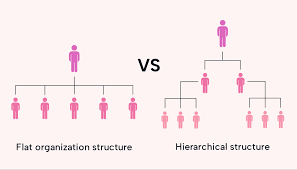
An alternative to the traditional corporate patriarchal model, which typically prioritizes hierarchical, profit-centered decision-making, would be the cooperative model or worker-owned cooperative. This model emphasizes shared ownership, egalitarian decision-making, and community-based values rather than centralized authority and top-down governance.

Key aspects of the cooperative model include:

  1. Collective Ownership: Employees, rather than outside shareholders or investors, own the company, and profits are distributed among them. This shifts focus from external profit maximization to employee welfare and collective success.
  2. Democratic Decision-Making: Cooperatives operate on democratic principles, with each member (employee) having an equal vote in major company decisions. This contrasts with traditional models where decisions are often made by a board of directors or upper management.
  3. Social and Environmental Responsibility: Many cooperatives are mission-driven, integrating social and environmental goals alongside financial objectives. This fosters a more holistic approach, often aligned with long-term sustainability and community engagement.
  4. Flat Hierarchies: With reduced hierarchical layers, cooperatives encourage transparency and open communication, often fostering a more collaborative and respectful work environment where employees have greater input and agency.

Examples of Companies Using Alternative Structures

  • Mondragon Corporation: Based in Spain, Mondragon is one of the largest and most successful cooperatives in the world, with a diverse portfolio of businesses. Employees are both the owners and managers, allowing for collective profit-sharing and community-focused initiatives.
  • Patagonia’s Benefit Corporation Status: While not a cooperative, Patagonia operates as a benefit corporation (or B Corp), meaning it is legally obligated to consider the impact of its decisions on workers, customers, suppliers, community, and the environment. This legal framework allows the company to prioritize social and environmental impact over short-term shareholder profits.
  • REI (Recreational Equipment, Inc.): A consumer cooperative in the U.S., REI operates by sharing profits with its members, who are also its customers. This model enhances customer loyalty and aligns the business goals with its members’ interests rather than solely shareholder returns.

These alternative models demonstrate how businesses can thrive by aligning more closely with humanistic and egalitarian principles, building community loyalty, and enhancing sustainability while fostering a less hierarchical, more participatory culture.

Helping Executive Women Reduce Stress, Prevent Fatigue & Avoid Burnout
📩 Follow me for more insights or send me a message to connect!

Linear Thinking is Holding Us Back: Why Solving Modern Problems Requires an Abandonment of Cause-and-Effect Logic

n a world where many of us are conditioned to seek simple solutions and direct answers, Linda Seger’s Web Thinking offers a bold critique: linear, cause-and-effect thinking might be holding us back. Traditionally, we’re trained to see problems through a sequence of steps, each action leading to a predictable reaction. While this approach can work for straightforward tasks, it often fails when we face complex, multifaceted issues like climate change, global health, or even personal growth.

Linear thinking, rooted in the idea that we can isolate a problem, apply a solution, and control the outcome, can be limiting when it comes to complex challenges. Such issues aren’t isolated; they’re shaped by a web of interconnected factors, all influencing each other in ways that are difficult to predict. Climate change, for example, isn’t just about emissions—it’s tied to economic policy, cultural attitudes, industry practices, and even individual lifestyle choices. Trying to address it through single-variable solutions, like regulations or technology, without understanding the broader web can lead to unintended consequences or partial solutions that don’t create lasting change.

Seger’s Web Thinking urges us to move away from linear solutions and embrace a mindset that sees the world as an interconnected system. This approach encourages looking beyond immediate causes and understanding how relationships within a system shape outcomes. For instance, in health care, focusing solely on treating symptoms without addressing underlying social and environmental factors may yield temporary relief but rarely leads to comprehensive wellness.

Abandoning linear thinking doesn’t mean rejecting logic or analysis. Instead, it means accepting that complex problems require flexible, multi-layered strategies that adapt to changing circumstances. It’s about recognizing that each solution affects the entire system—and the system, in turn, affects the solution.

Seger’s approach advocates for a more holistic, integrative perspective, one that allows us to create strategies capable of handling complexity. By letting go of linear assumptions, we can find paths forward that are resilient, adaptive, and truly effective in addressing the intricate challenges of our time. It’s a shift that might just be essential for moving forward in a world as interconnected as ours.

Helping Executive Women Reduce Stress, Prevent Fatigue & Avoid Burnout
📩 Follow me for more insights or send me a message to connect!