
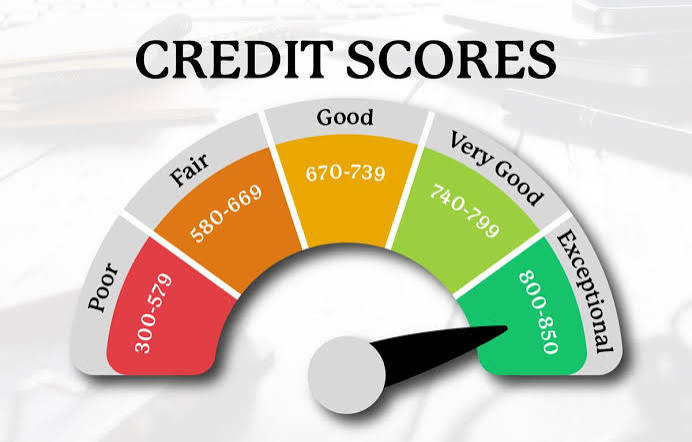
I had a default on my credit file for six months. It was an error. It caused my credit score to plummet. There was just one problem: I didn’t know it was there.
Banks tell you to get a copy of your credit file. They don’t tell you there is/ was three credit bureaus.
I was monitoring my credit – with ONE bureau. I assumed it was the only one that really mattered. It wasn’t. In fact the banks tell you categorically, “It doesn’t matter which bureau you obtain your credit report from – they’re all the same.”
I am here to tell you that is outright incorrect.
I could see my credit score and nothing I was looking at alerted me to the problem. The default had been recorded with the ONE credit bureau I wasn’t following. The ONE credit bureau my bank reported to.
That experience taught me something remarkably basic about credit reporting.
You DON’T have one credit file.
For my purposes, there were three credit reporting bodies that mattered: Equifax, Experian and illion. Experian and Illion merged last year. They don’t necessarily hold identical information about you. Consequently, the picture presented to a lender can differ depending upon which credit reporting body it uses.
Until this happened to me, I hadn’t given much thought to that distinction. I suspect I’m not alone.
Even the language encourages the assumption. What’s your credit score? Check your credit score. Improve your credit score. We talk about it in the singular, as though there is one definitive number sitting somewhere that represents our creditworthiness.
I had been doing what seemed perfectly sensible. I was monitoring my credit information. But I wasn’t monitoring all of it. An adverse entry could therefore sit on one file while being absent from another.
That raises a more interesting question. What exactly does a credit score represent?
We tend to treat numbers as absolutes. A score of X appears better than a score of Y. The precision of the number gives it an air of objectivity. But the number is produced from information, and different information can produce a different representation.
My underlying financial circumstances hadn’t suddenly changed because an erroneous default appeared on one credit file. The information about me had changed. That’s an important distinction.
There was something fascinating about discovering that three organisations could maintain different representations of the same person. I hadn’t become three different borrowers. Yet there could effectively be three different pictures of my credit history.
That matters because lenders don’t make decisions about some perfectly known version of us. They make decisions using information. That information can differ between systems. It can be incomplete. And, as I discovered, it can be wrong.
For six months an error existed in a financial information system that mattered to me. I didn’t know about it because the credit bureau I happened to be watching wasn’t the bureau where the problem existed.
We tend to associate financial literacy with budgeting, investing, superannuation, mortgages, compound interest and perhaps understanding financial statements. All of those things are useful. But perhaps financial literacy starts somewhere more elementary.
It starts with understanding the systems through which our financial lives are represented. What information exists about me? Who holds it? How is it used? What assumptions am I making? And what don’t I know because I’ve never thought to ask?
That’s less about financial advice than conscious inquiry.
My experience with the default didn’t initially teach me how to invest money or manage a balance sheet. It did something more fundamental. It exposed an assumption I didn’t know I was making.
I thought I was monitoring my credit file.
I wasn’t.
I was monitoring one version of it.