Burnout culture doesn’t need you to thrive. It just needs you to cope.
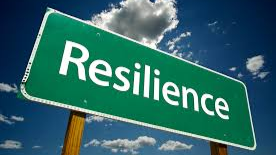
Resilience has become the corporate buzzword of the decade. It appears on posters, in wellness strategies, and across LinkedIn profiles like a badge of honour.
We’re told to build it. Show it. Praise it. The message is clear: if you’re struggling, you don’t need to stop—you just need to get more resilient.
But what if resilience isn’t always strength? What if it’s a sedative—a way of numbing discomfort without addressing the cause?
What if resilience has become the virtuous alcohol of the 2020s?
The Resilience Trap
The modern workplace doesn’t ask if you’re thriving. It asks if you’re coping.
And if you’re not? The answer isn’t structural change. It’s:
“Let’s boost your resilience.”
Let’s make you more adaptable. Let’s teach you to bounce back. Let’s reframe your stress response. Let’s help you meditate your way through a toxic workload.
Let’s help you stay in the same environment—just a little longer.
It’s burnout culture’s favourite strategy: If we can’t fix the system, let’s fortify the individual.
Endurance ≠ Empowerment
Here’s the quiet truth that few want to say aloud:
Resilience is not always noble. Sometimes, it’s just endurance in disguise.
Enduring a dysfunctional system is not a virtue. Surviving long hours, bad bosses, impossible targets, financial stress, and emotional fatigue may make you high-functioning—but it doesn’t make you well.
In fact, the most resilient people are often the most exhausted. They keep going long after others have paused. They internalise the message: “If I were stronger, I wouldn’t feel this way.”
But let’s be honest:
- If your job regularly breaches your boundaries,
- If your mortgage keeps you locked in a role you’ve outgrown,
- If your energy is running on fumes,
- And if your “wellbeing” is managed through recovery strategies, not redesign—
That’s not resilience. That’s survival.
Burnout Culture Loves Resilient People
Why? Because they don’t complain. They don’t quit. They don’t disrupt. They bend. Stretch. Absorb.
Resilience keeps you productive inside systems that are unfit for humans.
It’s a compliance tool wrapped in empowerment language.
It helps you feel good about staying where you are—even when the cost is unspeakably high.
The Anaesthetic Analogy
Let’s call it for what it is:
Resilience has become a virtuous anaesthetic. It dulls the pain so you can keep performing.
Just like alcohol, it:
- Takes the edge off
- Helps you get through the day
- Lets you stay “functional”
- And masks a deeper imbalance
You’re still tired. Still off-centre. Still compromised.
You’ve just found a way to feel morally superior about enduring it.
From Resilience to Realignment
This isn’t a call to reject all forms of resilience. Sometimes life does require grit, grace under pressure, and emotional elasticity.
But the problem isn’t the concept. It’s the way it’s been weaponised.
Resilience says: “How can I survive this?” Realignment asks: “Should I even be here?”
What’s missing isn’t toughness. It’s discernment.
The courage to step back and ask:
- What am I being asked to endure?
- Why have I normalised this pace, this pressure, this lifestyle?
- What am I tolerating that no longer serves me?
- Who benefits from my endurance?
Your Exhaustion Is Not a Character Flaw
If you’re in your 40s, 50s or 60s and you’re tired—it’s not because you’re weak.
It’s because you’ve spent decades being strong. Strong for your family. Strong for your employer. Strong through career transitions, rising debt, uncertain markets, ageing parents, and adult children who can’t afford to leave home.
You don’t need to “get more resilient.” You need space. Clarity. Support. A different relationship to success.
You need permission to stop coping and start choosing differently.
The Reframe
Burnout isn’t a sign that you’re not resilient enough.
It’s a signal that something fundamental is out of alignment—in you, in your system, or in the story you were sold.
Stress, fatigue, and burnout aren’t weaknesses. They’re symptoms of prolonged imbalance. And you don’t solve imbalance by becoming stronger at tolerating it.
You solve it by restoring centre.
One Final Thought
If you’re tired of resilience being the answer to everything, you’re not alone.
Maybe the next chapter of leadership isn’t about bouncing back. Maybe it’s about bowing out—of expectations, patterns, and systems that no longer serve you.
Because the truth is:
Resilience helps you stay standing. Realignment helps you rise.